
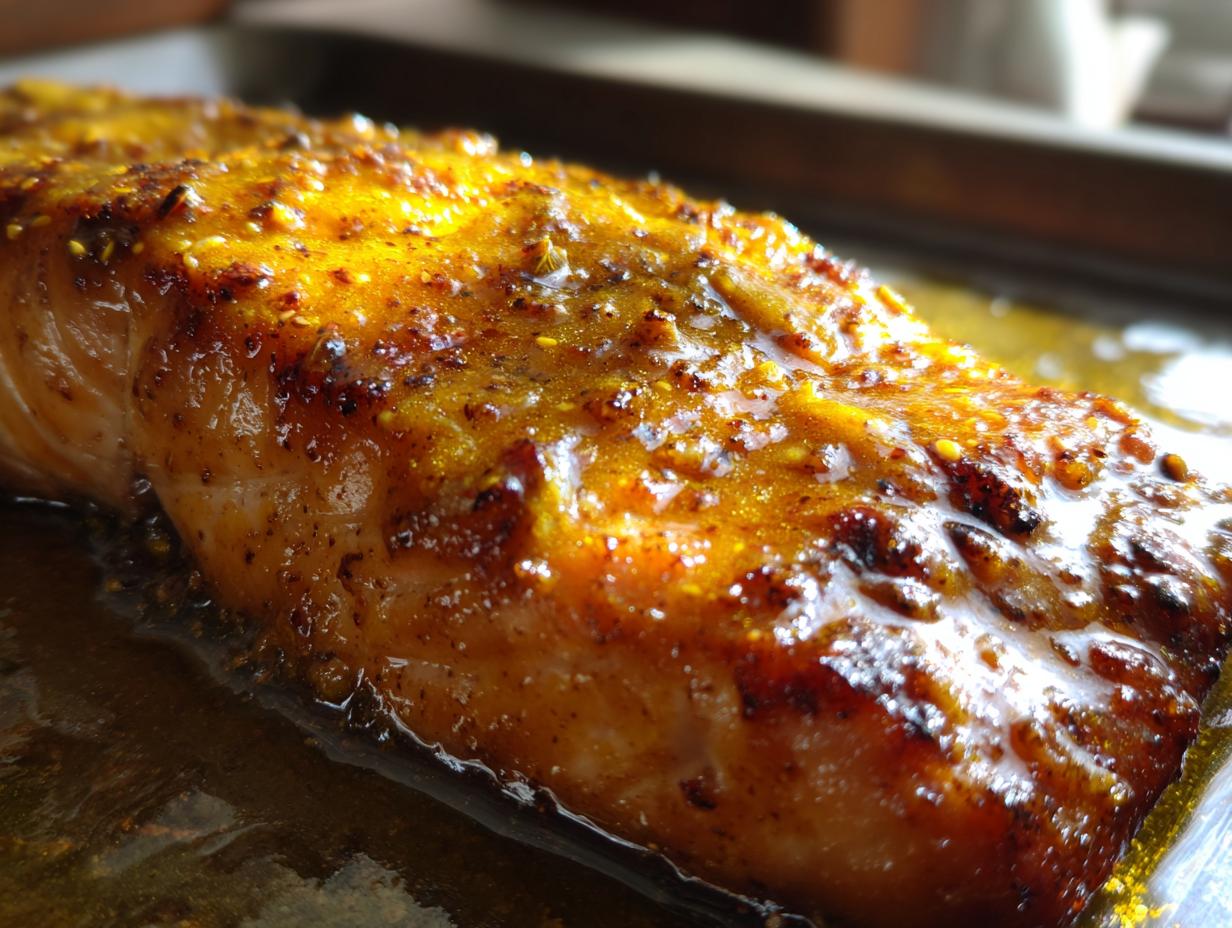
Oh, weeknights. They can be so hectic, right? Trying to get something truly delicious on the table without spending an hour scrubbing pots and pans feels like a magic trick I’m always trying to nail. Well, stop searching, because friend, I’ve got your new secret weapon. This recipe is practically foolproof, and the best part is that it all cooks on one sheet pan. I’m talking about the absolute winner: our incredibly flavorful One-Pan Honey Mustard Salmon. Seriously, clean up takes maybe two minutes. That sweet, tangy glaze caramelizes perfectly on the fish, and you get dinner done faster than you can decide what to watch on TV. It’s my go-to when I need dinner fast but refuse to eat bland food. Trust me, you’re going to make this dish weekly!
Why This One-Pan Honey Mustard Salmon Recipe Works So Well
When I first started testing sheet pan dinners, I had two major problems: things were either mushy or the sauce burned before the fish cooked. Not this recipe! The magic here is that everything cooks in about 15 minutes, and because we use parchment paper, cleanup is practically non-existent. That’s key for me after a long day. It’s all about maximizing flavor while minimizing everything else.
If you’re looking for stress-free weeknights, you need to pin this One-Pan Honey Mustard Salmon immediately. Here is why I keep coming back to it:
- It practically guarantees perfectly cooked fish—no guesswork needed.
- The flavor layers are sophisticated, but the ingredients list is tiny.
- You can toss some veggies underneath and call it a complete dinner!
Speed and Simplicity of One-Pan Honey Mustard Salmon
Prep time is only 10 minutes, because honestly, that’s just the time it takes to measure out the glaze ingredients! Then, you pop it in the oven, and 15 minutes later, dinner is served. Since it’s all happening on one sheet, you’re not juggling pots on the stove or constantly checking temperatures on four different items. It’s so simple, it feels sneaky.
Flavor Profile: The Perfect Honey Mustard Balance
This isn’t that sharp, overpowering mustard flavor you sometimes get. We use Dijon here because it has that beautiful depth. The honey melts down slowly under the broiler or in the oven, creating this fantastic, slightly caramelized coating. The apple cider vinegar just brightens everything up and keeps it from being too sweet. It’s tangy, sweet, savory—it hits all the right notes!
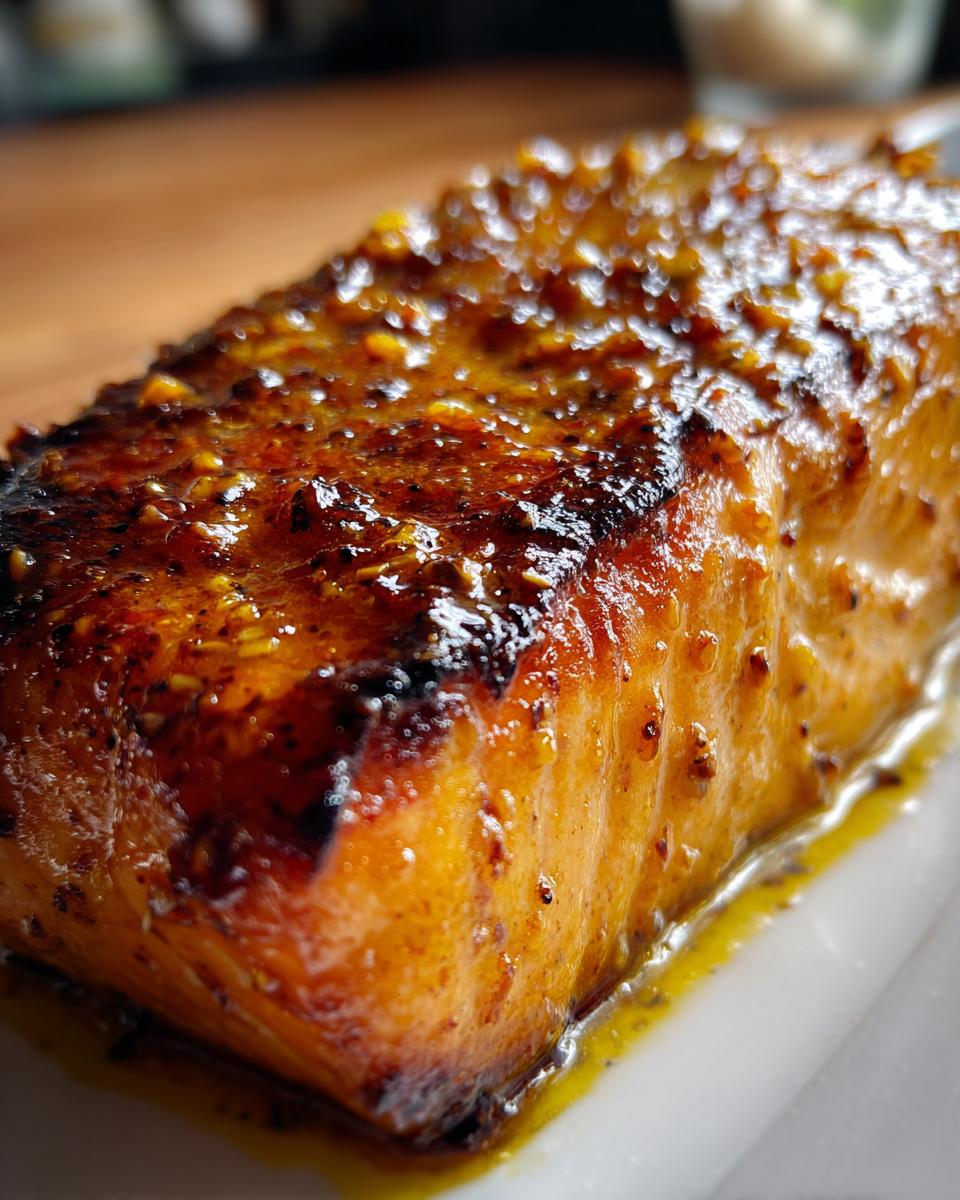
Gathering Ingredients for Your One-Pan Honey Mustard Salmon
Okay, let’s talk about what you need to make this magic happen. Because this is a quick meal, we want to use good quality base ingredients, but we don’t need anything exotic. Remember, the centerpiece here is the salmon—I usually grab four fillets that are about six ounces each. I don’t stress too much about whether the skin is on or off, but I will say skin-on holds up a little better against intense heat. If you’re trying to get more lean protein meals into your routine, salmon is the answer!
For the glaze, we are leaning heavily on Dijon mustard, okay? Don’t use that bright yellow stuff that comes in plastic bottles; Dijon has the complexity we need. You’ll need a good splash of honey, a bit of apple cider vinegar for that essential zip, and just some pantry staples like garlic powder, salt, and pepper. Don’t forget the lemon, even if it’s just for a final pretty slice across the top when it comes out of the oven. That’s it! Super simple shopping list, but the flavor payoff is huge.
- Four salmon fillets (Aim for about 6 oz each—consistency is good for timing!)
- Two tablespoons of olive oil (Just something standard for brushing.)
- A quarter cup of Dijon mustard (This is critical for that tangy backbone.)
- Three tablespoons of honey (If yours is really thick, microwave it for five seconds first.)
- One tablespoon of apple cider vinegar (Don’t skip this; it balances the sugar!)
- One teaspoon of garlic powder
- Salt and black pepper (Taste your glaze, then season!)
- One lemon, sliced thin for garnish or baking right on top.
Expert Tips for Preparing the One-Pan Honey Mustard Salmon Glaze
This glaze is the star, truly. If you just dump everything in the bowl and give it three weak swirls, you’ll end up with separated oil (or honey) in one spot and mustard clumps in another. We want a beautiful, cohesive topping for our One-Pan Honey Mustard Salmon, not a messy puddle.
You need to whisk it hard for about 45 seconds. This forces the honey and the Dijon to hold hands, creating that smooth, shiny coating we’re aiming for. I’ve learned that if you think you’ve whisked it enough, whisk it for ten more seconds. Seriously, that emulsion is what keeps the glaze sitting nicely on top of the fish instead of running right off onto the parchment paper.
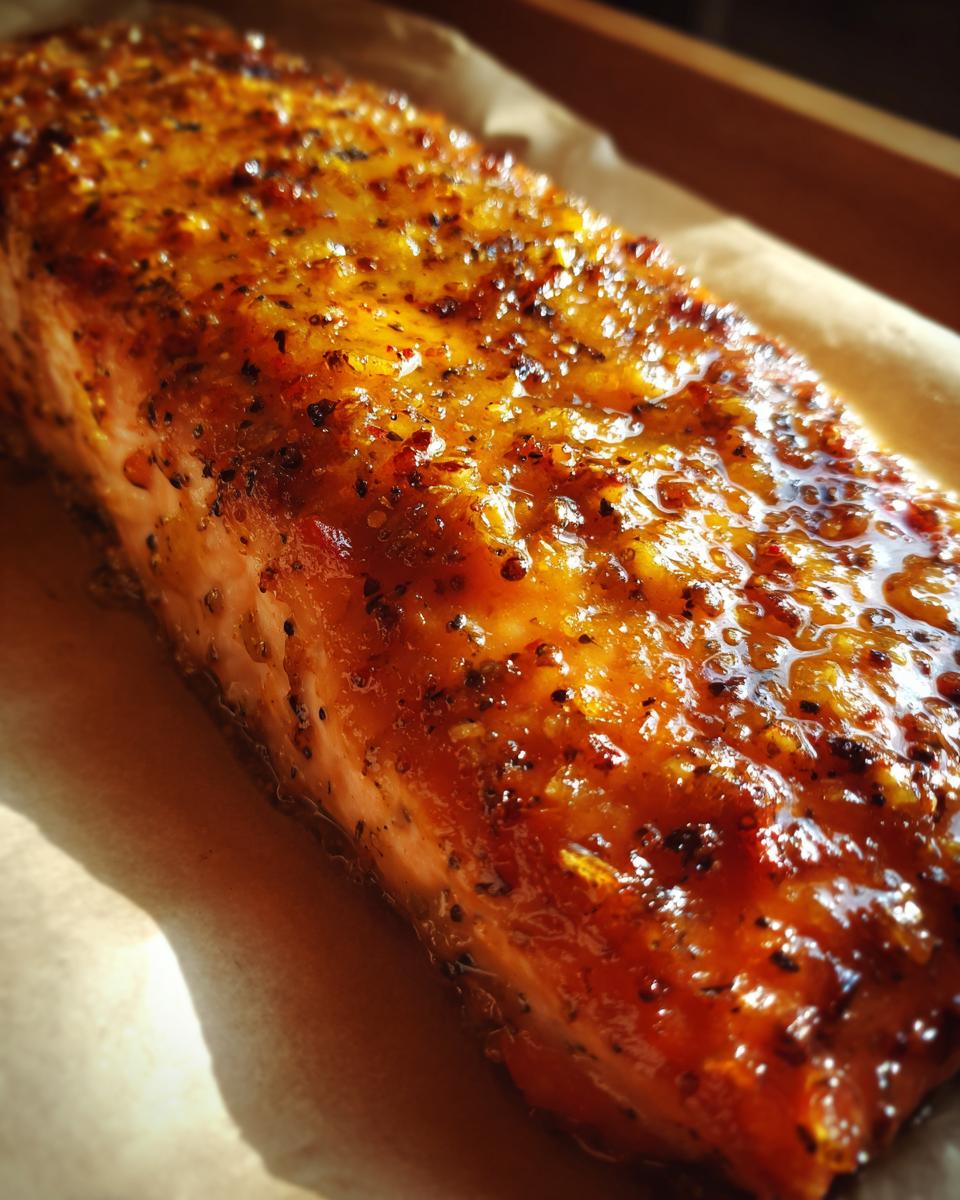
Once the mixture looks uniform, this is my biggest golden rule for anything saucy: taste test it! Dip a spoon in and try just a tiny bit. Does it need more salt? Is it screaming for more tang? If it tastes a little one-dimensional, add just a tiny extra drop of apple cider vinegar. That acid cuts through the rich honey and brightens the whole profile up so nicely. It’s your glaze, so make it taste exactly how *you* want it!
Achieving the Right Glaze Consistency
We need that whisking to emulsify everything. Think about how oil and water don’t like to mix—well, honey and mustard are basically trying to do the same thing! When you whisk aggressively, you’re physically breaking down the components and trapping the liquids together. This ensures the glaze stays put on the salmon while it bakes, creating that lovely crust.
The apple cider vinegar plays such an important role here beyond just flavor. It’s acidic, right? That acidity is the counterbalance to the sweetness of the honey. If you were to use just honey and Dijon, it would be way too sweet and heavy. The vinegar melts through that thickness and leaves you with a glaze that perfectly complements the richness of the salmon flesh. It’s culinary science, but it tastes like dessert!
Step-by-Step Instructions for Perfect One-Pan Honey Mustard Salmon
Okay, now that your glaze is smooth and shiny, it’s time to assemble this beauty. Since we are aiming for the perfect bake every time, timing and temperature are non-negotiable here. Following these steps exactly will ensure you don’t end up with dry, sad fish. Remember, this is the fastest way to the best One-Pan Honey Mustard Salmon you’ve ever made, so pay attention to those details!
Preheating and Pan Preparation
First things first: crank that oven! You need it fully heated to 400°F (200°C) before anything else goes in. If the oven isn’t hot enough when the fish hits the rack, it will start steaming instead of searing slightly on the surface, which we absolutely do not want.
Next, grab your favorite baking sheet—the bigger the better so the salmon fillets aren’t touching. Line it completely with parchment paper. I cannot stress this enough: parchment paper is your best friend in sheet pan cooking. It prevents sticking better than foil, and cleanup becomes wiping down a piece of paper. It’s a game-changer for any baked fish.
Brush the fillets quickly with the olive oil. This seems unnecessary since we have a glaze, but trust me, the oil helps the fish cook evenly and prevents the parchment paper from scorching right where the bare fish sits.
Glazing and Baking the One-Pan Honey Mustard Salmon
Now, take that gorgeous glaze you just whisked and spoon it over the top of each salmon fillet. Make sure you get a nice, thick layer that covers the entire top surface. You want that honey-mustard goodness to bubble and bake right into the protein.
If you’re using them, arrange those lemon slices right on top now. Pop the whole tray into that hot 400-degree oven. Set your timer for 12 minutes. After 12 minutes, check it. You want the salmon to flake easily when you poke it with a fork. If it resists, give it 2 or 3 more minutes. The internal temperature needs to hit 145°F (63°C) for safety, but honestly, I pull mine out around 140°F because it keeps cooking slightly out of the oven. This method guarantees you nail that perfect, flaky texture for your One-Pan Honey Mustard Salmon every single time.
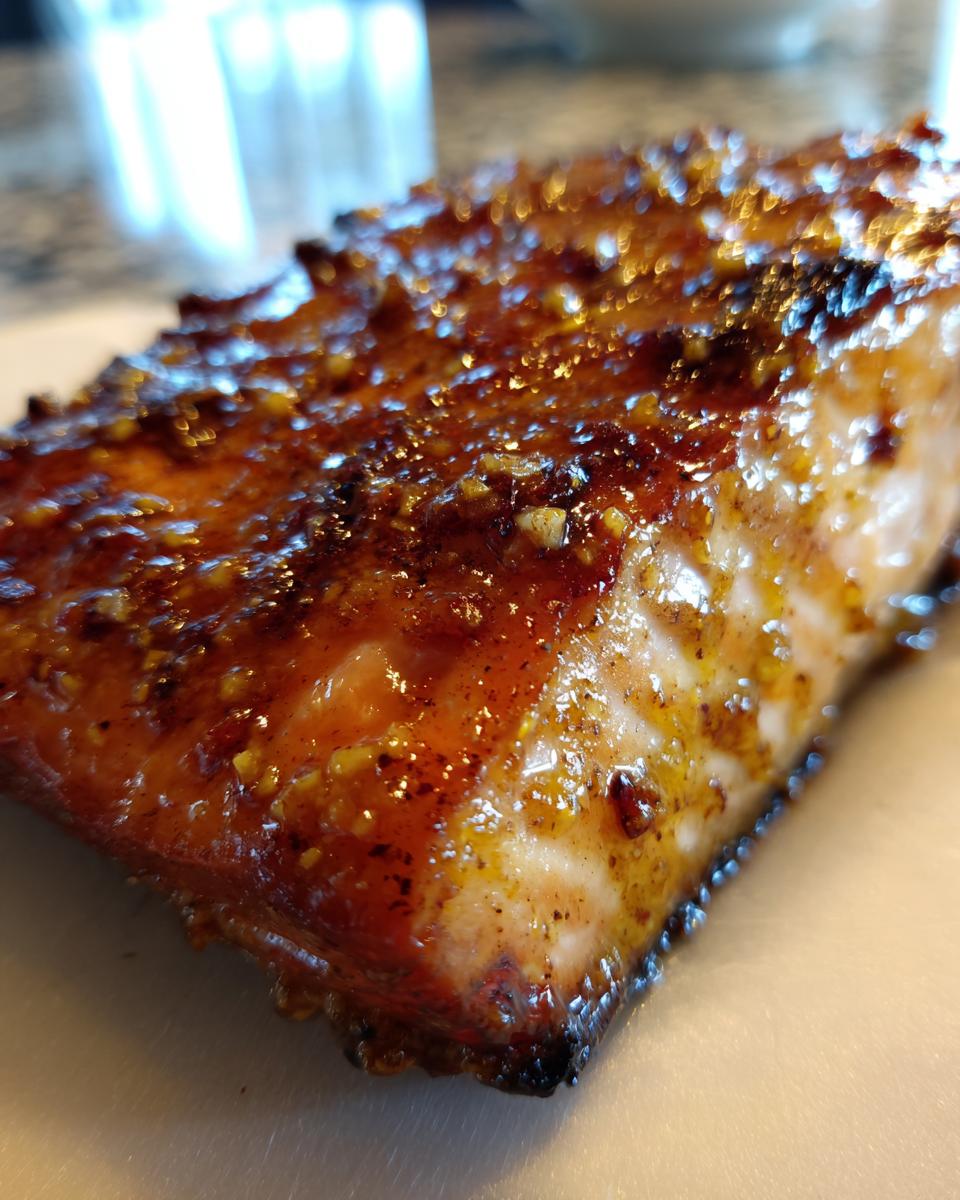
Making Your One-Pan Honey Mustard Salmon a Complete Meal
One of the absolute best things about keeping a recipe streamlined like this One-Pan Honey Mustard Salmon is how easily you can sneak vegetables onto the same tray. Who wants to wash an extra skillet when you’ve already got the fish done? You’ve got options here, and the secret is timing because salmon cooks fast, but carrots and broccoli take ages longer!
If you’re using heartier vegetables, like broccoli florets, chopped asparagus, or even sliced bell peppers, you need to give them a five-minute head start in that hot oven without the fish. I toss mine in just a little olive oil and salt and roast them alone first. This ensures they soften up nicely so they aren’t raw when the salmon is perfectly cooked.
So, here’s the timeline I follow for my complete One-Pan Honey Mustard Salmon dinner: Preheat oven to 400°F. Toss your sturdy veggies on the sheet pan and slide them in for 5 minutes.
After those five minutes are up, pull the sheet pan out carefully (use good mitts!). Nestle those beautiful, glazed salmon fillets right in between the veggies, and slide the whole tray back in for the final 12 to 15 minutes. When the salmon flakes beautifully, I promise you, those accompanying veggies will be tender-crisp and ready to eat right alongside it. No extra dishes when using this method!
Troubleshooting Common One-Pan Honey Mustard Salmon Issues
Even the simplest recipes can sometimes throw you a curveball, right? Maybe your oven runs a little hot, or perhaps your fillets are thicker than mine were. I’ve been there! When something goes wrong with roasted fish, it’s usually one of three things: sticking, burning, or being underdone. Knowing how to quickly recover your One-Pan Honey Mustard Salmon keeps you from throwing in the towel and ordering pizza.
Let’s talk sticky business first. If your salmon starts adhering to the pan, I always mentally kick myself for skipping the parchment paper! If you used it, but it’s still clinging? Don’t panic. Let the fish rest for about three minutes after you pull it out of the oven. Sometimes that resting time allows the proteins to relax slightly, and it slides right off with a gentle nudge from a spatula. If you used foil instead of parchment, it is much more likely to stick, so I really encourage you to grab that parchment paper next time.
Now, the glaze. That honey is sugar, and sugar burns fast! If you notice the edges of your glaze getting dark brown or black before the 12-minute mark, your oven is likely running hotter than it claims, or the glaze layer was too thick in that spot. If that happens, quickly grab a piece of aluminum foil and loosely tent it over the salmon. This shields the top from direct heat while allowing the residual heat to finish cooking the center through. It usually buys you the extra time you need without charring.
Finally, the undercooked fish issue. This almost always comes down to thickness. If you are using a super thick center-cut fillet, 15 minutes might not be enough. If the fish flakes easily around the edges but still seems opaque and firm right in the very center, cover it loosely with foil and slide it back in for 2 or 3-minute increments. Since the oven is already hot, it doesn’t take long to finish, and you’ll avoid serving fish that needs a little more time to get flaky!
Storing and Reheating Leftover One-Pan Honey Mustard Salmon
We rarely have leftovers because this dish disappears so fast, but when we do, I want to make sure we treat that perfectly glazed fish right! Salmon is delicate, so you can’t just toss it in a plastic container and stick it in the fridge expecting it to taste fresh three days later. You need a gentle touch for storage and reheating if you want that amazing flavor from your One-Pan Honey Mustard Salmon to survive.
For storage, aim for airtight containers. I prefer glass containers because they don’t absorb odors, but any tight-sealing container works fine. Make sure the salmon is completely cooled down before you seal it up and pop it into the fridge. It should stay perfectly fine for about three days. Any longer than that, and the texture just starts to suffer, and honestly, it’s just not worth it.
The reheating is where most people go wrong; they blast it in the microwave or blast it in a hot oven, and boom—you have dry, rubbery salmon. The key to reviving your leftovers is moisture and low heat. You only want to wake the fish up, not cook it again. If you’re just reheating one portion of your One-Pan Honey Mustard Salmon, here is what I do:
- Microwave Method (Fastest): Place the salmon in a microwave-safe dish. Add just about a teaspoon of water or broth right next to the fish. Cover the whole dish tightly with a lid or plastic wrap, leaving one tiny corner vented. Heat in 20-second bursts. That trapped steam keeps the fish from drying out.
- Oven Method (Best Texture): If you have time, wrap the leftover fillet tightly in a small piece of aluminum foil. Pop this little packet into a 275°F (135°C) oven for about 8 to 10 minutes. This gentle warmth revives the moisture and the glaze without making the surface tough.
Either way, remember that the salmon is already fully cooked. We are just warming it through lovingly. It makes for a fantastic, healthy addition to a cold salad the next day, too, if reheating seems like too much trouble!
Frequently Asked Questions About This Recipe
When people see a recipe this simple, they usually start wondering about swapping ingredients or checking those FDA requirements. I get it! When you’re relying on just a few components, you want to make sure you’re using the right version of everything. Here are some questions I always hear about making the perfect One-Pan Honey Mustard Salmon.
Can I use a different type of mustard in the One-Pan Honey Mustard Salmon?
This is the number one question, and my answer is always: you *can*, but you might want to stick with Dijon if you can! Whole grain mustard is grainy, obviously, and it won’t melt into that smooth, glistening glaze we love. It tends to stay chunky, which is fine if that’s the texture you want on your fish, but it won’t bake down the same way.
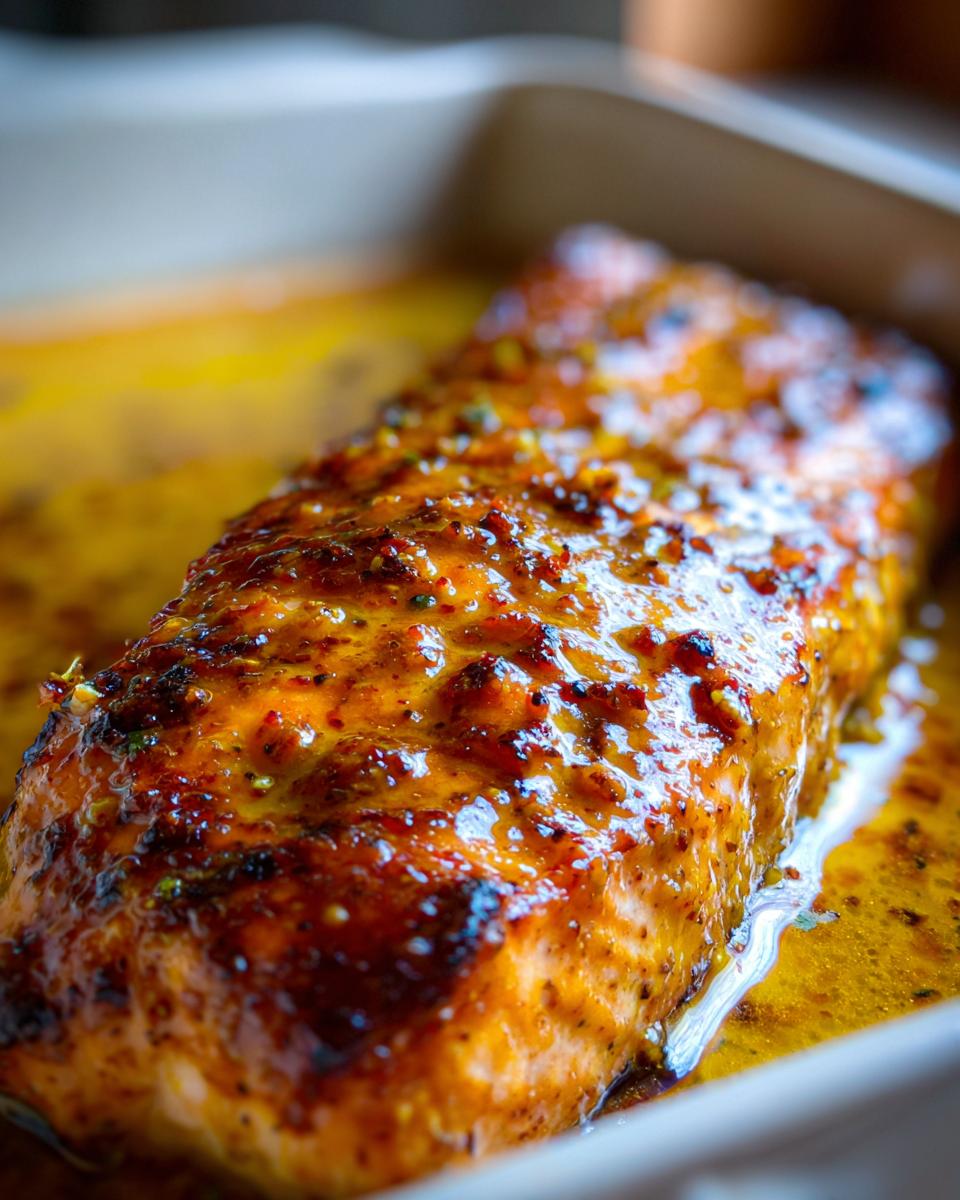
Now, should you use standard yellow mustard? If that’s all you have, go for it, but be ready for a much sharper, more vinegary flavor profile. Yellow mustard doesn’t have the depth Dijon has because it tends to use vinegar instead of wine for fermentation. It works in a pinch for a quick baked fish, but it won’t give you that beautiful mellow sweetness when combined with the honey. I find if I use yellow mustard, I cut the vinegar down to just a teaspoon or less because it’s already quite acidic.
What internal temperature should the salmon reach?
Safety first, always! For any fish, including our delicious baked salmon, the USDA recommends cooking it until it hits 145°F (63°C). This ensures any potential bacteria are eliminated. I highly recommend grabbing an instant-read thermometer for this recipe, even though I mention checking for flakiness earlier.
Why both checks? Well, salmon is weird—it can look done on the outside but still be quite raw in the very center if your fillets are thick. You insert the thermometer into the thickest part of the fillet, avoiding the bone if there is any. Once it hits 145°F, pull it out immediately and let it rest for five minutes. Remember what I said earlier? It will continue to cook for a couple of degrees as it rests, and that’s how you guarantee perfect flakiness without overshooting into dry territory. Never serve salmon below 140°F, just to be safe!
Nutritional Snapshot for One-Pan Honey Mustard Salmon
I know for a fact that a lot of you are tracking your macros or at least keeping an eye on what goes into your body, especially when you’re building calorie-smart recipes into your weekly rotation. That’s why I always share the numbers, even though I’m a baker at heart, not a nutritionist! Because this dish is primarily fish and a simple glaze, it scores really well for high protein and relatively low fat.
For one serving—which is one lovely 6-ounce fillet with the glaze—here’s what the numbers generally look like:
- **Calories:** Around 350 per serving. That’s a fantastic number for a satisfying dinner!
- **Protein:** We are looking at about 35 grams of pure protein here. Incredible staying power for very few calories.
- **Fat:** About 18 grams total. Remember, salmon is full of those great unsaturated fats, which our bodies need, so don’t panic about that number.
- **Sugar:** Roughly 10 grams. This comes entirely from the honey, which we measured out carefully.
- **Sodium:** Around 450mg. Always check your salt shaker usage when you’re adding salt to the glaze!
Now, remember this is just an estimate! If you use slightly thicker fillets or if your honey is a different brand, the numbers shift a little. Also, if you pile on extra lemon slices or use a lot more olive oil coating the fish before the glaze, those percentages will change. But as a baseline, this delicious One-Pan Honey Mustard Salmon is a lean, mean, dinner-making machine. It really fits beautifully into almost any clean eating plan!
PrintOne-Pan Honey Mustard Salmon
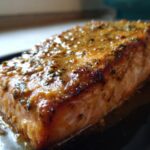
A simple recipe for cooking salmon fillets with a sweet and tangy honey mustard glaze on a single baking sheet.
- Prep Time: 10 min
- Cook Time: 15 min
- Total Time: 25 min
- Yield: 4 servings 1x
- Category: Dinner
- Method: Baking
- Cuisine: American
- Diet: Low Fat
Ingredients
- 4 salmon fillets (about 6 oz each)
- 2 tablespoons olive oil
- 1/4 cup Dijon mustard
- 3 tablespoons honey
- 1 tablespoon apple cider vinegar
- 1 teaspoon garlic powder
- 1/2 teaspoon salt
- 1/4 teaspoon black pepper
- 1 lemon, sliced (for garnish)
Instructions
- Preheat your oven to 400°F (200°C). Line a baking sheet with parchment paper.
- In a small bowl, whisk together the Dijon mustard, honey, apple cider vinegar, garlic powder, salt, and pepper to make the glaze.
- Place the salmon fillets on the prepared baking sheet. Brush the tops and sides of the fillets evenly with the olive oil.
- Spoon the honey mustard glaze over the top of each salmon fillet, spreading it to cover the surface.
- Arrange the lemon slices on top of or around the salmon.
- Bake for 12 to 15 minutes, or until the salmon flakes easily with a fork and reaches an internal temperature of 145°F (63°C).
- Serve immediately.
Notes
- You can add asparagus or broccoli to the pan for a complete meal; add them before the salmon and roast for 5 minutes before adding the fish.
- Adjust the amount of honey based on your preference for sweetness.
Nutrition
- Serving Size: 1 fillet
- Calories: 350
- Sugar: 10
- Sodium: 450
- Fat: 18
- Saturated Fat: 3
- Unsaturated Fat: 15
- Trans Fat: 0
- Carbohydrates: 12
- Fiber: 0
- Protein: 35
- Cholesterol: 90
Keywords: One-Pan Salmon, Honey Mustard, Easy Dinner, Baked Fish, Quick Meal