
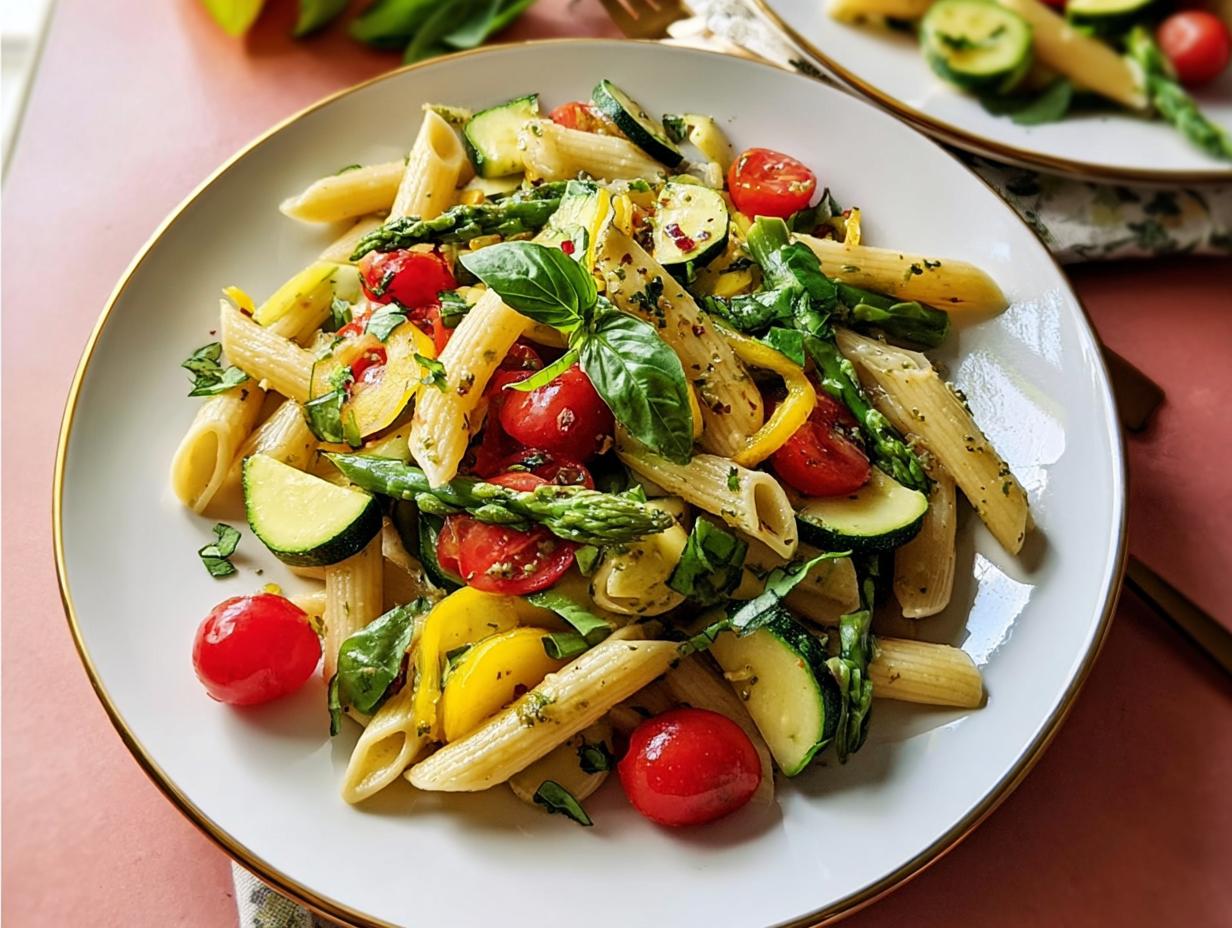
Oh my goodness, when the first green things start popping up outside, I immediately crave meals that taste like sunshine and fresh air! Forget those heavy, cream-laden pasta dishes you used to get at Italian joints. We’re doing things differently here. Today, we are diving headfirst into the easiest, freshest meal you’ll make all season: Pasta Primavera (Fresh).
This recipe seriously sings when you use just-picked veggies. It comes together so fast—less than 30 minutes total—and I promise it delivers that bright, clean flavor we all look for when we want real food that doesn’t weigh us down after dinner. This isn’t complicated; it’s just *good*, trusting in the quality of our fresh veggies and a little bit of lemon magic. You can trust me on this one; it feels gourmet but is ridiculously simple!

I’m linking up some of my other favorite vibrant meals over here: fresh plates recipes, but honestly, this one is my go-to starter for spring.
Who Should Make This Pasta Primavera (Fresh)
Listen, if you’re anything like me—someone who loves good food but doesn’t have an hour to fiddle in the kitchen every night—this recipe was made for you. This is the ultimate weeknight saver.
Who is this for? Well, first off, it’s perfect for the busy home cook. You know, the person who needs dinner on the table before everyone gets hangry? We’re talking 10 minutes of actual prep time here—slicing and dicing goes super fast! You just toss things in a pan.
It’s also fantastic for anyone deliberately looking for light dinners. I always try to keep my evening meals feeling vibrant, not heavy, especially as the weather warms up. If you’re trying to incorporate more of those beautiful, colourful fresh veggies into your routine without resorting to a giant salad every time, this is your ticket.
If you need inspiration for other quick meals, check out some of my easy chicken recipes, but this Pasta Primavera (Fresh) really shines when you want something vegetarian and cheerful on your plate!
Why This Pasta Primavera (Fresh) Recipe Works So Well
I’ve made plenty of pasta dishes in my time, and often, you need heavy cream or loads of butter to make them taste luxurious, right? Not here! That’s the beauty of this recipe; it proves you don’t need that heaviness to feel satisfied.
Here’s why I keep coming back to this specific version:
- It’s incredibly fast. Seriously, if you can boil water, you can master this Easy Dinner tonight.
- It celebrates the season! Using peak asparagus and sweet peas makes all the difference.
- The foundation is flavor from fresh ingredients, not fat. It’s a truly Light Sauce.
When you’re looking for something bright and clean for your menu, this definitely makes the cut. For more ideas on lighter meals that still pack a punch, check out my suggestions for lightened-up dinner ideas.
The Secret to the Light Sauce in Pasta Primavera (Fresh)
When I first started eating cleaner, I missed creamy pasta sauces, but I hated how sluggish I felt afterward. The trick here is twofold, and it involves absolutely zero heavy cream! We rely on high-quality extra virgin olive oil, which carries the flavor of the garlic and fresh herbs beautifully, instead of drowning everything out.
The real game-changer, the part that creates that lovely, almost silky coating at the end? That’s magic water, honey! When you toss the pasta with the lemon juice, cheese, and just a splash of the starchy water you saved from boiling your pasta, you create a perfectly emulsified, flavorful, and delightfully Light Sauce. It clings to the noodles and vegetables without weighing them down. This is the essence of a truly great Pasta Primavera (Fresh), where simplicity shines. Trust me, once you nail this lemon-herb base, you’ll never go back to the heavy stuff!
Essential Ingredients for Your Pasta Primavera
When we talk about making the best Pasta Primavera (Fresh), we are talking about respecting the ingredients. Since this dish relies almost entirely on what the season gives us, high quality matters a lot. I’m not going to lie, if you try to use sad, old zucchini in January, it just won’t taste the same! This is where sourcing your beautiful bounty comes in handy.
For those of you dedicated to getting that authentic, crisp texture, pay close attention to how I want things cut. It impacts cooking time drastically! Don’t skimp on the herbs, either; they are the real stars here.
You’ll want to make sure you have the following ready to go. If you’re interested in more recipes based around beautiful garden harvests, take a peek at some of my farm fresh recipes!
- You need exactly 10 ounces of penne pasta—don’t overcook it, we want it truly al dente!
- We start with 2 tablespoons of good quality extra-virgin olive oil. You’ll need a tiny bit more for drizzling later, too.
- Four garlic cloves, but they need to be sliced thinly so they perfume the oil nicely without burning.
- For the squash components: Take one yellow squash and one zucchini, and ensure both are sliced into thin half-moons. Precision matters for even cooking!
- One bunch of asparagus, and I mean chop those woody ends off! Cut the remaining stalks into nice 1-inch pieces.
- One cup of cherry tomatoes—halved, please! This lets their juices sneak into the sauce.
- One cup of red onion, but slicing it super thinly is key so it softens quickly.
- One teaspoon of sea salt for seasoning the vegetables as they sauté.
- Half a cup of frozen peas—just thaw them briefly in a bowl of warm water before adding them to the hot flavors.
- Three-quarters of a cup of Pecorino cheese, grated fresh off the block. It melts so much better than the pre-grated stuff!
- Three tablespoons of fresh lemon juice—this is the backbone of our light sauce!
- A pinch of red pepper flakes for just a little kick.
- A whole cup of fresh basil leaves, chopped roughly. More for garnishing later!
- If you can find it, a quarter cup of fresh tarragon adds this amazing, subtle anise flavor. It really elevates the dish.
- And finally, plenty of freshly ground black pepper. Don’t use the dusty stuff in the shaker!
Step-by-Step Instructions for Perfect Pasta Primavera (Fresh)
Okay, getting this done in under 30 minutes is totally achievable, I promise! The secret to perfect Pasta Primavera (Fresh) is running the steps simultaneously—while the water boils, you chop, or while the pasta cooks, you sauté. We’re moving fast but gently, because we don’t want mushy veggies!
Before you do anything else, have you grabbed a mug or small bowl? Make sure you scoop out about a cup of that starchy pasta water right before you drain. That water is liquid gold for making sauces stick! If you need more quick ideas, these stress-free weeknight dinners rely on that same timing trick.
Cooking the Pasta and Sautéing the Fresh Veggies
First things first: get that huge pot of water salted heavily and bring it to a rolling boil. Cook your penne according to the box, but aim for just slightly under the time listed—we want it perfectly al dente. Drain it, but remember that reserved water! Immediately toss the drained pasta with just a small drizzle of olive oil so the noodles don’t glue themselves together while you work on the veggies.
Now, right onto medium heat with your large skillet (the one that can hold everything later!). Add your 2 tablespoons of oil. Toss in the sliced garlic—you just want it to sizzle gently and get fragrant, maybe 30 seconds. Don’t let it brown or it gets bitter, oops!

Next, toss in your hardier vegetables: the squash, zucchini, asparagus, tomatoes, and onions, along with your teaspoon of salt and lots of fresh pepper. You sauté this mixture for only 3 to 4 minutes over medium heat. I’m looking for them to be tender but still have a little snap left in them—that tender-crisp feeling is essential for fresh veggies!
Bringing It All Together for the Final Pasta Primavera
Time for the grand finale! Lower your heat a little bit so nothing scorches. Dump the cooked pasta right into that skillet with the veggies. Now, throw in the thawed peas, that beautiful grated Pecorino cheese, the fresh lemon juice, and just a tiny pinch of those red pepper flakes. Give everything a really good toss right away so that cheese starts melting into the hot oil and pasta residue.
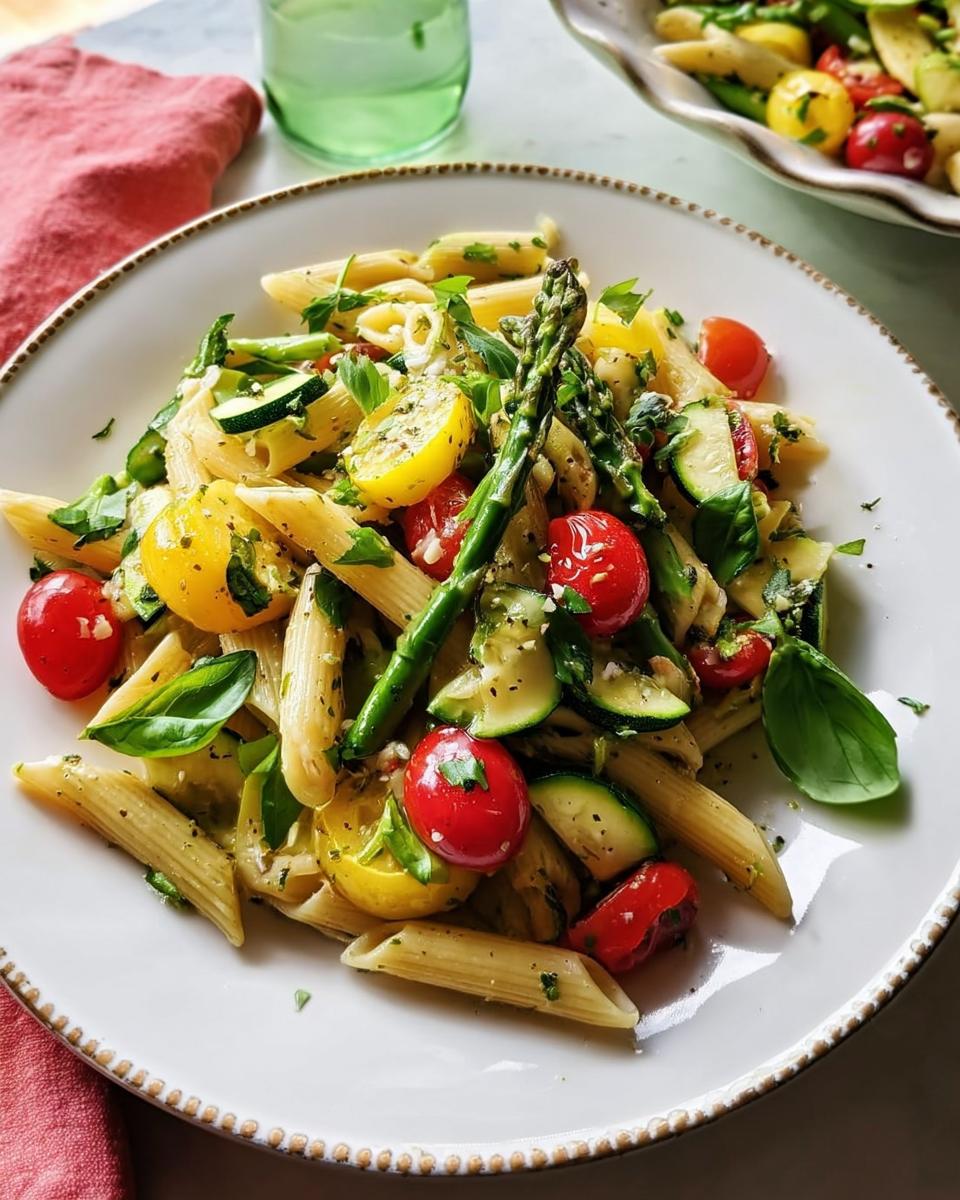
If it looks a little dry at this stage—and sometimes it does if your pasta water wasn’t super starchy—add a splash or two of that reserved pasta water you saved earlier. That is what brings the sauce together and makes it creamy without any cream! Stir that around until everything is coated nicely.
Finally, kill the heat! We don’t want to cook the herbs to death. Stir in that huge handful of fresh basil and the tarragon, if you are using it. Taste it right now. Does it need more salt? More pepper? Maybe a little zingy squeeze of lemon? Adjust it until it tastes exactly like what you dreamt of when you thought of a perfect Pasta Primavera (Fresh). Garnish it generously with more basil and serve it immediately!
Tips for Making the Best Pasta Primavera (Fresh)
I think the difference between an average dinner and an amazing one often comes down to just two or three little tricks we learn over time. Since we want this Pasta Primavera (Fresh) to taste like spring exploded on your plate, these tips are super important for keeping that flavor vibrant and clean.
You absolutely must prioritize seasonality here. A vegetable that’s in season tastes better, has better texture, and honestly supports your body better too! If you’re making this recipe, I always tell people to look around their local market first. For more clean eating inspiration check out my clean eating recipes section.
Here are a few ways I absolutely guarantee success every single time I whip this up:
Don’t Overcook the Veggies—Seriously!
This is my biggest pet peeve when I see people make this dish. If your zucchini and asparagus come out soft and floppy, you’ve lost the magic! Remember, you’re sautéing them for just 3 to 4 minutes. We want them tender-crisp, right on the edge of being done, because they will soften up even more when you toss them with the hot pasta and steam in the pan. A quick visual check: the asparagus should still be bright green, not dull olive!
Herb Swaps and Cheese Alternatives
While I adore tarragon, I know it can be hard to find or maybe you just don’t want to buy a new herb for one recipe! If you can’t find tarragon, don’t sweat it. You can substitute it with fresh chives mixed with a small amount of flat-leaf parsley to balance out that bright lemon flavor. It won’t be exactly the same, but it will still be fantastic.
When it comes to cheese, Pecorino Romano is traditional because it’s sharp and salty, and its dryness works well in this light sauce. However, if you prefer something milder, a good quality, freshly grated Parmesan-Reggiano is a perfectly acceptable swap. Just try to avoid tossing in the pre-grated stuff that comes in the shaker cans; that coating they use to prevent clumping messes up the way it melts into our beautiful light sauce base.
Make It Your Own with Texture Boosters
If you want to add some crunch, don’t reach for processed croutons! Try tossing in a handful of toasted pine nuts right at the end with the basil. They toast up quickly in a dry pan and give you that wonderful textural contrast without adding anything heavy or greasy to your Pasta Primavera (Fresh). A few toasted slivered almonds work beautifully too if that’s what you have on hand!
Storage and Reheating for Leftover Pasta Primavera
Because this dish is loaded with so many beautiful, fresh, tender-crisp veggies, treating leftovers correctly is super important if you want them to taste almost as good as when they were first made! We definitely don’t want a soggy mess the next day, do we?
When you have leftovers of this delicious Pasta Primavera (Fresh), the main thing to remember is to keep things sealed up tight and cool down quickly. I always use those glass containers; they are great for meal prep, and they don’t hold onto smells like some plastics can.
Storing Leftovers Correctly
Make sure you let any extra pasta cool down to room temperature for about an hour before putting it away. Don’t shove piping hot food straight into the fridge, as that can actually encourage bacteria to grow and it messes with the texture of the sauce when it chills.
Place your leftover Pasta Primavera (Fresh) into a shallow, airtight container. Why shallow? Because faster cooling means better texture! You want to eat these leftovers within two or three days max, as those fresh herbs and vegetables start to lose their punch after that time. Keep them tucked away in the fridge.
The Best Way to Reheat Your Pasta
This is where people often go wrong; microwaving pasta for too long turns it into a plate of rubber and mush! When you reheat this dish, you need to show it some tenderness. Low and slow is the name of the game here.
If you are using the microwave, put a tiny splash—maybe a teaspoon—of water or even some chicken broth into the bowl first. Cover it loosely with a damp paper towel before heating in short 30-second bursts, tossing gently between each burst. This steam helps reintroduce a little moisture back into the noodles without completely obliterating the texture of the zucchini and asparagus.
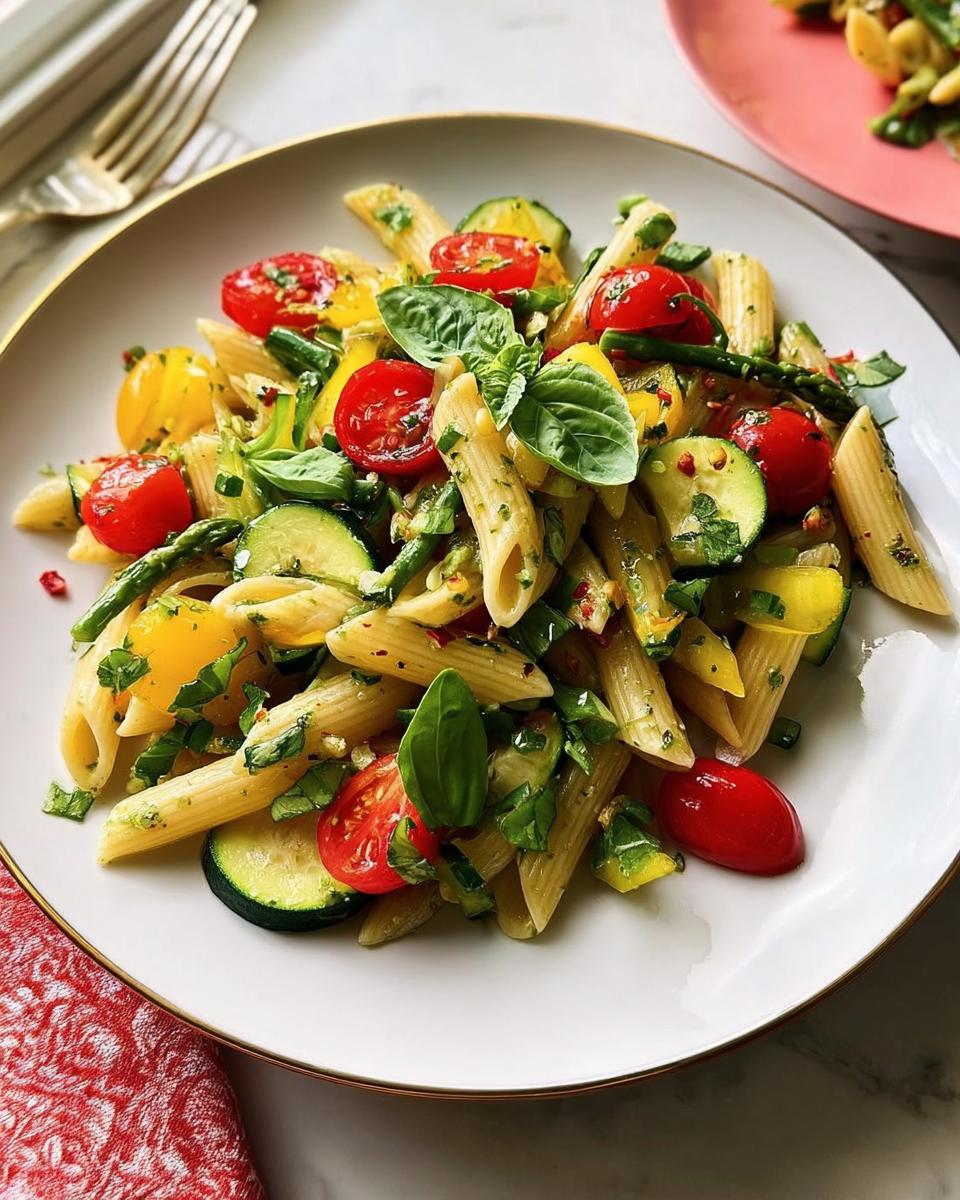
If you’re feeling fancy, I actually prefer reheating mine gently in a skillet over very low heat. Just toss it carefully with another tiny splash of olive oil and let it warm through slowly. Right before serving, give it a final squeeze of fresh lemon and maybe a dusting of fresh Parmesan if you have some handy. That wakes up all those bright flavors again!
Common Questions About This Easy Dinner
I always get the same questions when I post about simple, seasonal meals like this! It’s funny how we all want big flavor but small effort, you know? I’ve gathered up a few of the things I hear most often about making the best Pasta Primavera (Fresh), especially when you’re trying to keep things light and clean for your wellness goals.
This whole recipe is designed to be a flexible Spring Recipe base, so substitutions are totally welcome! If you start looking for other quick ideas, this is a great foundation. For example, if you’re interested in more ways to speed up your morning routine, check out my easy breakfast brunch recipes!
Can I add protein to my Pasta Primavera (Fresh)?
Absolutely! While this recipe stands beautifully as a vegetarian option, sometimes you just need that extra staying power for dinner. When I want to bulk up my Pasta Primavera (Fresh) without making it heavy, I always lean toward lean proteins. Think about grilling up some sliced chicken breast first and tossing it in with the pasta at the very end, or sautéing some shrimp quickly in that same skillet before you add the garlic.
Shrimp, especially, works so well because it cooks in minutes, keeping the whole timing of the dish intact. It complements that beautiful lemon and herb flavor profile perfectly. If you’re looking for a fantastic way to cook shrimp fast, you’ve got to try my recipe for garlic shrimp with broccoli; you can apply that quick-cook technique here!
What vegetables are best for a spring recipe version?
That’s my favorite part! The beauty of a true Spring Recipe is that you should adjust based on what looks amazing at the market that week. Asparagus and peas are mandatory for that classic flavor, but don’t stop there!
I love adding thinly sliced baby carrots right alongside the zucchini and squash if they look particularly sweet. Snap peas or snow peas tossed in at the very end—literally in the last 60 seconds of cooking—add a wonderful crunch. Baby greens like baby spinach or arugula are also fantastic stirred in at the very end because they wilt down instantly under the heat of the pasta, giving you more green volume without changing the integrity of our Light Sauce.
Estimated Nutritional Snapshot
Okay, let’s talk a little bit about the numbers, because while we are prioritizing fresh, whole ingredients here, it’s still helpful to know what you’re fueling your body with! Since this is a very Light Sauce pasta, it comes in quite reasonable compared to heavier options. Remember, this is what I calculate based on the recipe I provided, and your mileage might vary depending on the brand of olive oil or how much cheese you sneak in!
This is great news if you’re tracking your intake or just trying to keep things feeling clean. To see more meals that fit well into a mindful eating plan, check out some of my thoughts on calorie-smart recipes.
Based on that recipe, here is a rough guide for one serving:
- Calories: Around 450 calories. That’s a fantastic entry point for a full, satisfying dinner, right?
- Fat: Around 15 grams total fat. Most of this is coming from that heart-healthy olive oil and the cheese, so it’s quality fat!
- Carbohydrates: Roughly 65 grams. This comes mostly from the pasta and the natural sugars in those wonderful fresh veggies.
- Protein: About 18 grams. That’s a nice, respectable amount thanks to the pasta and the grated Pecorino.
I always tell my community that these numbers are guides, not rules. The beauty of making your own Pasta Primavera (Fresh) is that you control every single ingredient. If you swap out 2 ounces of penne for zucchini noodles to cut carbs, your numbers shift! If you use less oil, your fat goes down. It’s all about intentional eating, not restriction!
Share Your Thoughts on This Fresh Pasta Dish
Well, that’s it! You’ve got the blueprint for the absolute best, lightest, and freshest Pasta Primavera (Fresh) you’ll ever make. Seriously, I hope this brings a little bit of that vibrant spring energy right into your kitchen tonight.
Now that you’ve tried it—or maybe you’re making your grocery list right now—I would absolutely love to hear what you thought! Did you stick to the recipe exactly, or did you sneak in those snap peas I mentioned?
Let me know in the comments below! Please rate this recipe and share your experience making the Pasta Primavera (Fresh). Your feedback helps others in our community feel confident trying new, clean, and intentional meals.
If you’re loving these simple, real-food approaches, don’t forget to explore the archives on my blog for even more inspiration, like my latest thoughts and recipes posted here: check out the latest!
By Hi, I’m EMILIA, the founder of MeltItClean.com – your digital space for natural weight loss, real wellness habits, and clean-living inspiration that actually fits your life. After years of experimenting, learning, and unlearning, I discovered a simple truth: your body is already powerful — it just needs support, not restriction. That’s when I created Melt It Clean — a site dedicated to real transformation through clean, intentional, and nourishing daily habits that anyone can follow.
This is a culmination of everything I learned while ditching the fad diets. It’s about feeling incredible inside and out, and that starts with nourishing food that’s easy to make, like this amazing pasta dish. If you want to know more about the journey and why I believe in food that supports—not restricts—your body, you can read all about it over here: my story.
PrintPasta Primavera (Fresh)
A light and fresh pasta dish featuring seasonal spring vegetables tossed in a simple lemon and herb sauce.
- Prep Time: 10 min
- Cook Time: 20 min
- Total Time: 30 min
- Yield: 4 servings 1x
- Category: Dinner
- Method: Stovetop
- Cuisine: Italian-American
- Diet: Vegetarian
Ingredients
- 10 ounces penne pasta
- 2 tablespoons extra-virgin olive oil, plus more for drizzling
- 4 garlic cloves, sliced
- 1 yellow squash, sliced into thin half-moons
- 1 zucchini, sliced into thin half-moons
- 1 bunch asparagus, chopped into 1-inch pieces
- 1 cup cherry tomatoes, halved
- 1 cup thinly sliced red onion
- 1 teaspoon sea salt
- ½ cup frozen peas, thawed
- ¾ cup grated pecorino cheese
- 3 tablespoons fresh lemon juice
- Red pepper flakes
- 1 cup fresh basil leaves, plus more for garnish
- ¼ cup fresh tarragon, optional
- Freshly ground black pepper
Instructions
- Bring a large pot of salted water to a boil. Cook the pasta according to package instructions until al dente. Drain and toss with a drizzle of olive oil to prevent sticking.
- Heat the oil in a large, deep skillet over medium heat. Add the garlic, squash, zucchini, asparagus, tomatoes, onion, salt, and several grinds of pepper. Sauté for 3 to 4 minutes, or until the vegetables are tender.
- Add the pasta, peas, cheese, lemon juice, and a pinch of red pepper flakes. Toss to combine.
- Stir in the basil and tarragon, if using.
- Season to taste, garnish with more basil, and serve.
Notes
- Use seasonal vegetables for the best flavor in this fresh dish.
- Toss the drained pasta with a small amount of olive oil immediately to keep the pieces separate.
Nutrition
- Serving Size: 1 serving
- Calories: 450
- Sugar: 5
- Sodium: 400
- Fat: 15
- Saturated Fat: 6
- Unsaturated Fat: 9
- Trans Fat: 0
- Carbohydrates: 65
- Fiber: 6
- Protein: 18
- Cholesterol: 20
Keywords: Pasta Primavera, Fresh Veggies, Light Sauce, Easy Dinner, Spring Recipe, Penne, Lemon Sauce